
Become the super hero your clients need
de-escalation & customer service skills
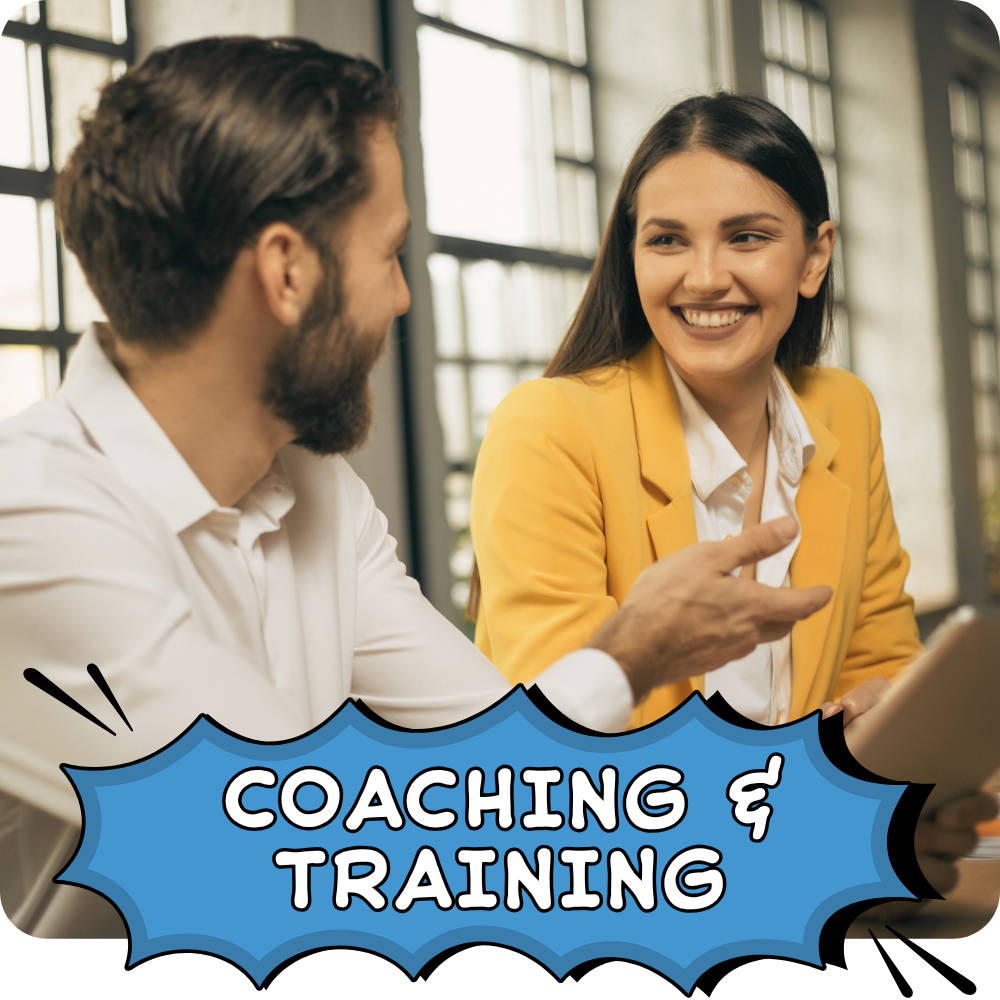
Get team training or one-on-one coaching for both employees & leaders! Level up customer service and de-escalation skills, giving teams the confidence and perspective they need to prevent & solve customer issues while protecting their mental health. Every customer complaint should be viewed as an opportunity to build trust and turn an upset customer into a loyal one!

Reduce Customer Churn & Employee Turnover
Let us help you create a more customer-centric culture, aligning the entire organization on retention & growth. From customer appreciation programs to company culture and employee compensation structures, Rachel and her team can help you understand and implement the programs, processes and reporting you need. Real solutions for real growth.
Company, leadership, parenting, school + podcasts
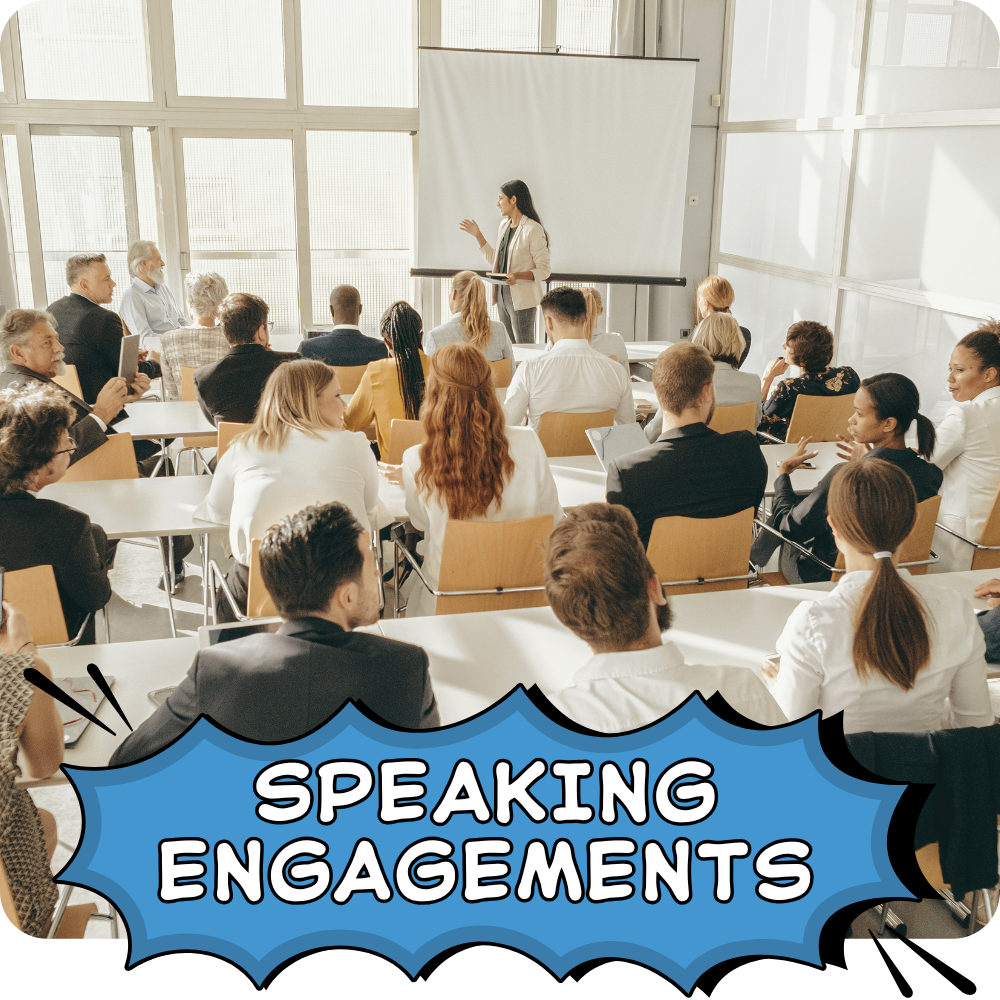
Looking for a fun, engaging and impactful speaker for an event or podcast? Rachel brings a unique perspective and experience to a topic that affects everyone. Conflict resolution impacts not only customer relationships but also work and personal relationships! Rachel speaks to leaders, employees, students, parents & on podcasts both in-person & remote.
AWARDS


De-escalation Training
Conflict Resolution Training
Customer Appreciation Programs
Support for Leaders
Customer Service Training
Customer Retention
Employee Satisfaction
Reputation Management

Meet The Angry Client Whisperer
Rachel LaFollette is a six-time award-winning customer retention specialist who spent 9 years as the Chief Customer Officer of one of the fastest growing marketing agencies in the country. She managed a team of 120 customer service and sales representatives both in-person and remote. She now puts her skills to use helping business owners, leaders, customer-facing teams, parents, students & educators navigate the murky waters of conflict resolution.
Skill sets from the trenches
Unlike other de-escalation trainers and customer service coaches, Rachel’s conflict resolution and de-escalation skills come from spending years in the trenches, taking hundreds of some of the worst customer escalation calls and proudly earning a reputation as “The Angry Client Whisperer”. Now she helps companies and customer-facing teams prevent and solve customer escalations, reduce customer churn, and improve job satisfaction and employee retention.
The Conflict Crisis
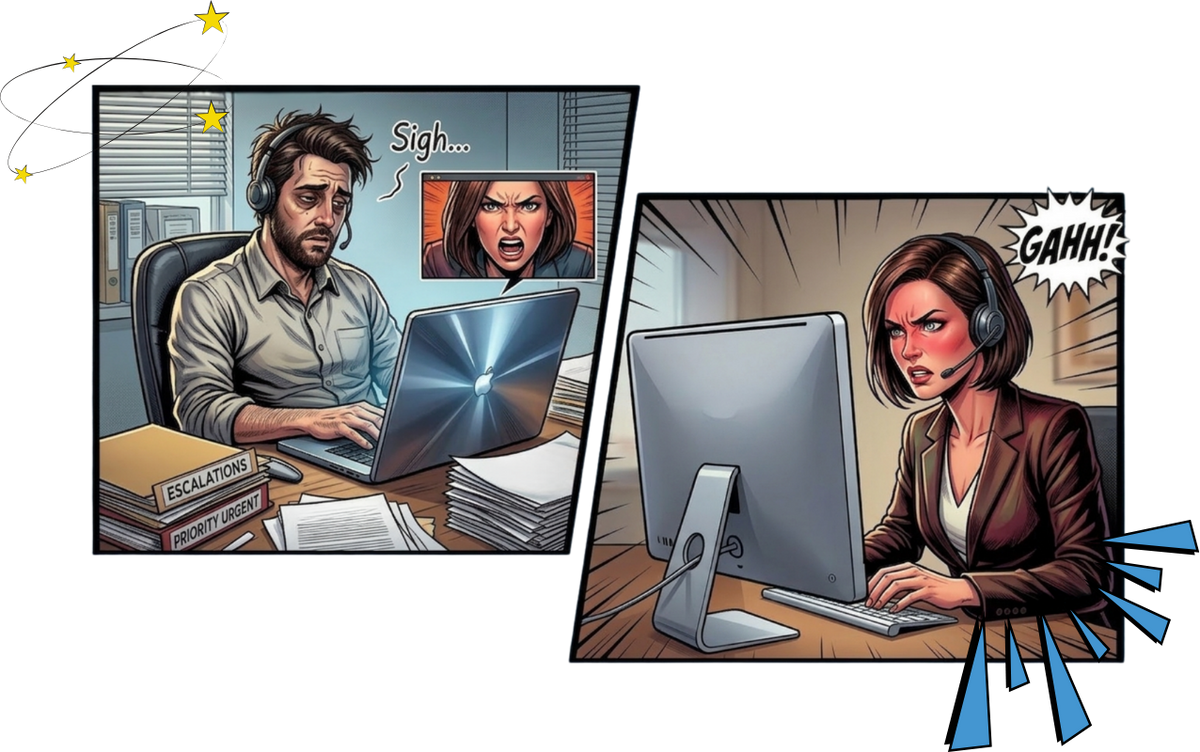
Most people aren't good at managing conflict. It takes practice and intentionality to not slip into either defensiveness or avoidance when faced with challenging situations or tough conversations. It starts in childhood. Many parents aren't intentional about modeling & teaching healthy conflict resolution skills. It's not broadly taught in schools. Therefore, most individuals enter the work force without solid de-escalation skills or a healthy mental perspective on how to navigate conflict. This can negatively impact customer relationships, internal team dynamics, leadership and company culture. The truth is that having a positive, balanced relationship with conflict and the skills to back it up will positively impact both professional and personal life. Our goal is to give people the skills, confidence & resilience needed to embrace healthy conflict and create positive outcomes for everyone involved. Learn more about Rachel's Angry Client Whisperer philosophy and approach by clicking the button below.
More impactful than ever
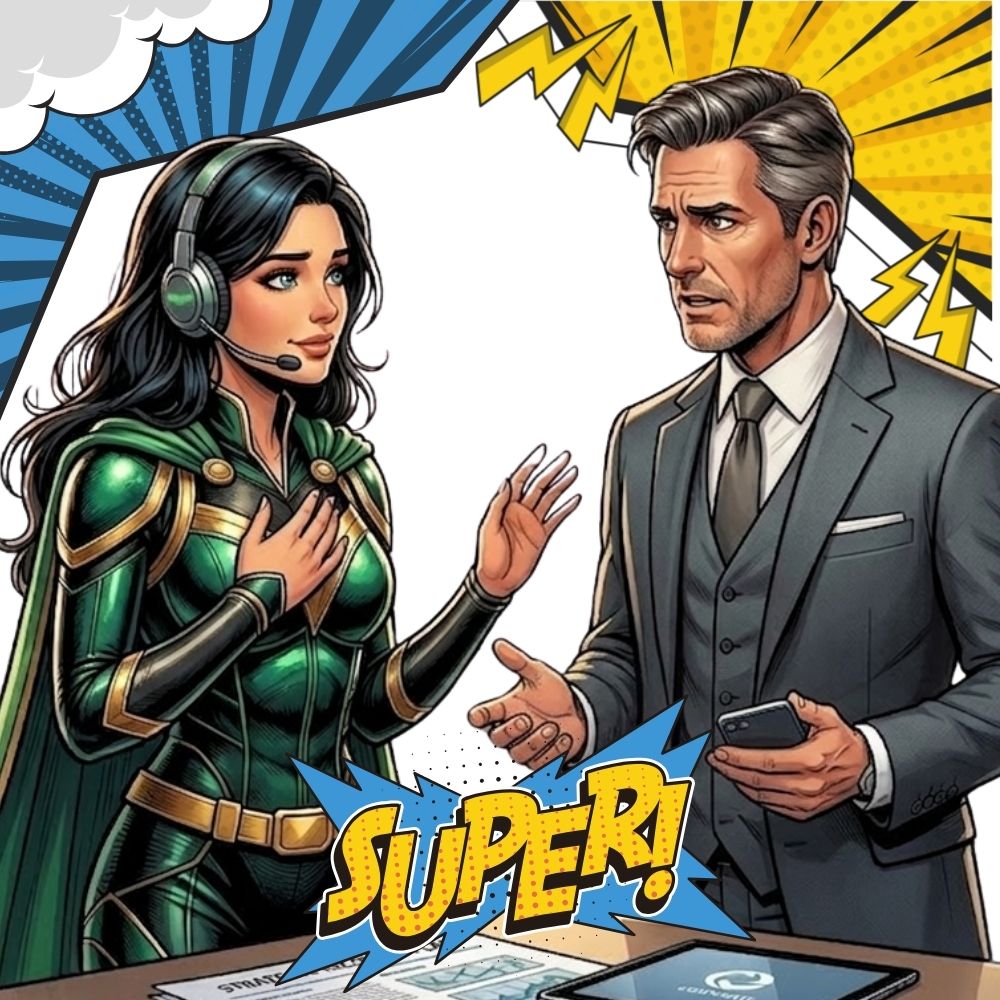
In a world where AI has taken over many customer service and support tasks, it's important to remember that there are a few things AI cannot do. One of them is to listen, empathize and build trust via a genuine human connection. Especially if your customers interface with humans during the sales or fulfillment process, they will expect for a human to listen & address their concerns when they have an issue. For teams that serve the same customers on a recurring basis, it’s not if but when something goes wrong. Handling an escalation well is the ultimate trust-builder and if handled correctly can turn an upset customer into a loyal one. On the flip side, if a complaint is not handled well, things can escalate quickly! With so much on the line, it's especially important to make sure your team has the proper processes and training in place to not only solve but proactively prevent client escalations. Rachel not only trains front line leaders & employees, but also consults at the company level to help implement policies & processes to improve the customer experience.
Taming the Beast
From Chaos to Calm
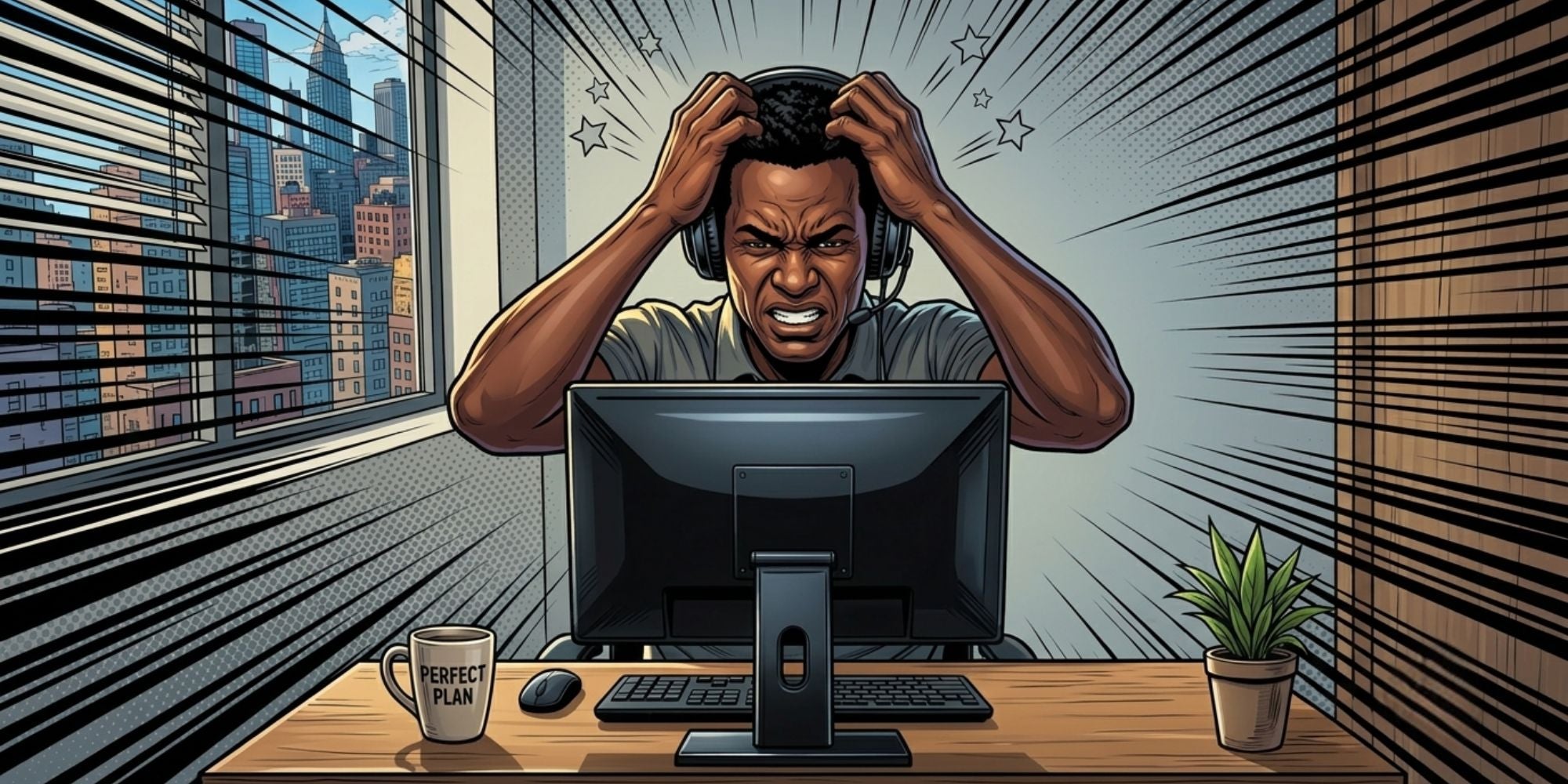
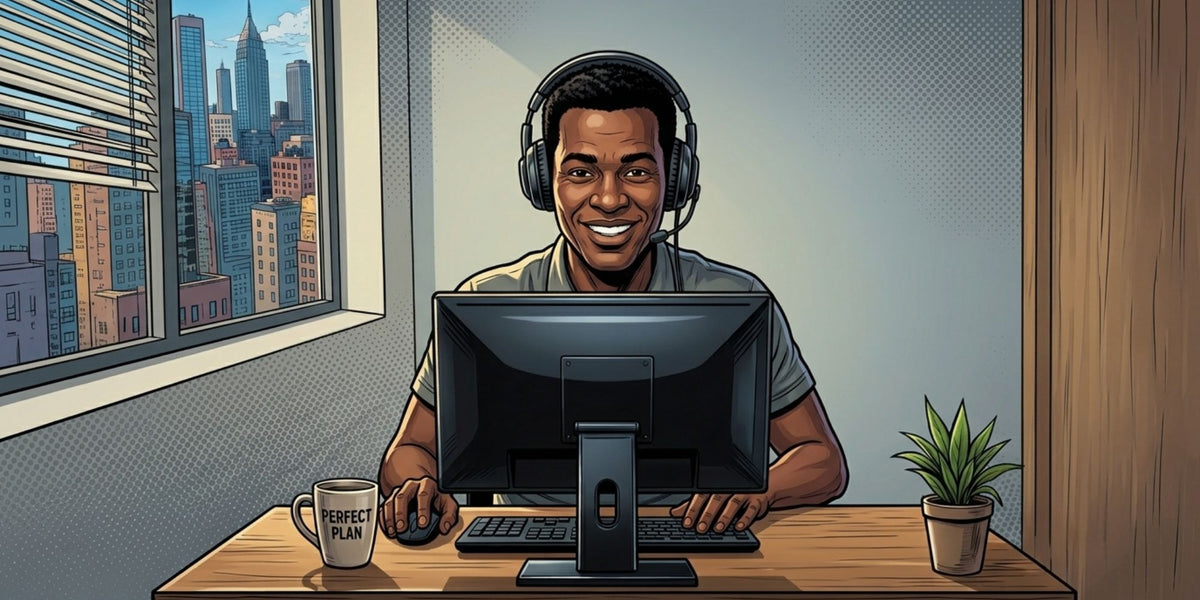
Nothing burns good, passionate team members out faster than having to deal with angry customers. It's the thing we hear most often from clients. Employee turnover is expensive. Unhappy customers make unhappy employees. Let us help you build a more resilient team and satisfied customer base.
Stop
the Churn
Create
the Calm
Frequently Asked Questions
What is de-escalation training?
De-escalation training teaches employees practical techniques to calm (or de-escalate) tense situations, reduce conflict, and communicate effectively with upset customers, clients, patients, or guests. Trainees learn how to listen, remain calm under pressure, stay solution-oriented and guide conversations toward positive outcomes. Our training and coaching services also place emphasis on how to prevent escalations in the first place. We also discuss how to handle escalations with a healthy perspective that prioritizes both customer satisfaction and employee wellbeing.
Who should receive de-escalation training and coaching?
De-escalation training is valuable for any employee who interacts with customers or the public. It's especially important for teams who have customers that have interacted with an employee sometime throughout the sales or fulfillment process. (Customers expect to be heard and helped by a human if there have been other human touchpoints.) This includes customer service representatives, retail associates, healthcare professionals, hospitality staff, financial institutions, utility companies, government agencies, call center teams, receptionists, sales professionals, and more. Leaders also benefit from training, especially if they get called into help with especially difficult complaints.
What impact do de-escalation skills and conflict resolution skills have on businesses? Why is de-escalation training important?
Employees who know how to effectively de-escalate conflict can reduce customer complaints, improve customer satisfaction, increase employee confidence, lower workplace stress, and protect your organization's reputation. Strong communication skills also contribute to higher customer retention and employee engagement.
What skills are taught during de-escalation training?
Topics typically include:
- Active listening
- Emotional intelligence
- Conflict resolution techniques
- Win/win/win problem solving skills that benefit customers, employees and the company
- Verbal and nonverbal communication
- Managing difficult conversations
- Handling angry or frustrated customers
- Setting professional boundaries
- Remaining calm under stress
- Problem-solving strategies
- Recovering customer relationships
- Prevention techniques
- Preparation for difficult conversations
Can de-escalation training reduce workplace conflict or violence?
While no training can eliminate every risk, effective de-escalation training helps employees recognize warning signs, respond appropriately to escalating behavior, and use communication techniques that may reduce the likelihood of situations becoming more serious. Training also reinforces organizational safety policies and when to seek additional assistance.
Is this training customized for our industry?
Yes. Effective de-escalation training should be tailored to your organization, industry, and the situations your employees encounter most often. Real-world scenarios and role-playing exercises make the training immediately applicable to your team's daily interactions. If available, our team likes to review examples of past escalations your team has handled. We can also help you put data tracking and reporting in place prior to training that will give us insight into the most common complaints, how escalations are handled and opportunities for improvement.
Is the training available in person or virtually?
Both. Rachel can come to your office, train virtually or both. Some organizations choose to hold trainings or hire Rachel as a keynote speaker at company events, conferences or summits.
How long does de-escalation training take?
Training programs can range from a 60-minute keynote to half-day workshops, full-day sessions, or multi-session coaching programs. Customized training plans are often developed based on your organization's goals and employee experience.
Do managers need separate de-escalation training?
Ideally, yes. Especially if your organization has a process for getting managers or leaders involved when an escalation hasn't been solved at the employee level.
Managers also benefit from additional coaching that focuses on leading employees through difficult customer situations, coaching staff after challenging interactions, addressing employee burnout, and fostering a culture of respectful communication.
But can't I just use AI to address customer complaints?
Advances in AI have certainly made a positive impact on some organization's customer experience. However, if a customer is already upset, letting an AI-driven interface resolve the issue puts the organization at risk of making the situation worse, if there is not a clear and easy way to address the customer's concern. The bigger issue with leaving escalations to AI to solve is that AI cannot listen and empathize to the customer, which is what upset customers usually want most. They want to be HEARD. This is especially important for organizations that utilize human sales people or customer service reps at any point during the sales or fulfillment process. If a human has been in contact with the customer for any other part in the process, a human should be made available to help problem solve if there is a serious concern or complaint.
Is role-playing included in the training?
If time allows, yes. Interactive exercises and realistic role-playing are among the most effective ways for employees to practice de-escalation techniques in a safe, supportive environment before applying them with real customers.
Can remote customer service teams benefit from de-escalation training?
Absolutely. De-escalation strategies are just as important, if not more so, for phone, email, chat, and video interactions as they are for face-to-face conversations. Employees learn techniques that improve communication across all customer service channels.
What results can organizations expect after de-escalation training?
Many organizations experience:
- More confident employees
- Improved customer satisfaction
- Better employee communication
- Reduced customer complaints
- Faster conflict resolution
- Stronger customer loyalty
- Lower employee stress
- More consistent customer experiences
Of course, results vary based on organizational culture, leadership support, and continued coaching. Rachel and her team can help put tracking and reporting measures in place, to help understand team follow through and impact.
Do you offer one-on-one coaching?
We do. This is especially helpful for individuals who have a hard time with conflict (either avoid it or are too assertive) and need a safe space to grow or for leaders who want to ensure they can coach their teams.
How is coaching different from training?
Training provides employees with proven communication techniques and best practices. Coaching focuses on individual development, helping participants apply those skills to real situations, receive personalized feedback, and build lasting confidence over time.
Are de-escalation training and conflict resolution training the same thing?
De-escalation training focuses on preventing emotionally charged situations from becoming more serious (escalated). Employees learn how to recognize signs of frustration or anger, remain calm under pressure, use effective communication techniques, and safely guide conversations toward a solution or positive outcome. The goal is to reduce tension before it escalates.
Conflict resolution training typically focuses on resolving a conflict has already developed. It emphasizes problem-solving, negotiation, collaboration, finding common ground, and reaching mutually beneficial solutions between two or more parties.
So the two skill sets are very similar and use many of the same techniques. They compliment one another. Conflict resolution skills are sometimes used in more proactive circumstances rather than reactive. De-escalation helps employees manage emotions in the moment, while conflict resolution provides the tools to address the underlying issue and move toward a lasting solution. Organizations that invest in these types of training sessions equip their customer-facing employees to handle difficult interactions with greater confidence, professionalism, empathy and resilience.
Can you help improve our overall customer service culture?
Absolutely. De-escalation training improves not only customer service but also employees' ability to resolve conflict internally in a healthy way. Improvement strategies include communication skills, leadership development, accountability, emotional intelligence and problem solving. All skillsets that improve relationships across the board. Rachel can also help your leadership team implement a more customer-centric company culture. Small changes to things like internal vocabulary, team goals, employee incentivization and reporting can all help align teams on customer experience.
How often should employees receive de-escalation training?
Many organizations provide initial training during employee onboarding, then reinforce those skills through annual refresher sessions, coaching, team workshops, or leadership development programs. Ongoing practice helps employees retain and apply what they've learned. Rachel can offer quarterly or bi-annual sessions to catch new hires on a regular basis.
Is this training appropriate for small businesses?
Yes. Organizations of all sizes can benefit from de-escalation training. Programs can be customized for small teams, growing businesses, nonprofits, or large enterprise organizations.
How much do training and coaching sessions cost?
Pricing depends on how customized the training is for you team, if we will be doing any one-on-one coaching sessions for participants, whether the training is in person or remote and other factors. To discuss options, please contact us to get started!